
- English
- Español
- Português
- русский
- Français
- 日本語
- Deutsch
- tiếng Việt
- Italiano
- Nederlands
- ภาษาไทย
- Polski
- 한국어
- Svenska
- magyar
- Malay
- বাংলা ভাষার
- Dansk
- Suomi
- हिन्दी
- Pilipino
- Türkçe
- Gaeilge
- العربية
- Indonesia
- Norsk
- تمل
- český
- ελληνικά
- український
- Javanese
- فارسی
- தமிழ்
- తెలుగు
- नेपाली
- Burmese
- български
- ລາວ
- Latine
- Қазақша
- Euskal
- Azərbaycan
- Slovenský jazyk
- Македонски
- Lietuvos
- Eesti Keel
- Română
- Slovenski
- मराठी
- Srpski језик
Kitajska Izostatični grafit Proizvajalci, dobavitelji, tovarna
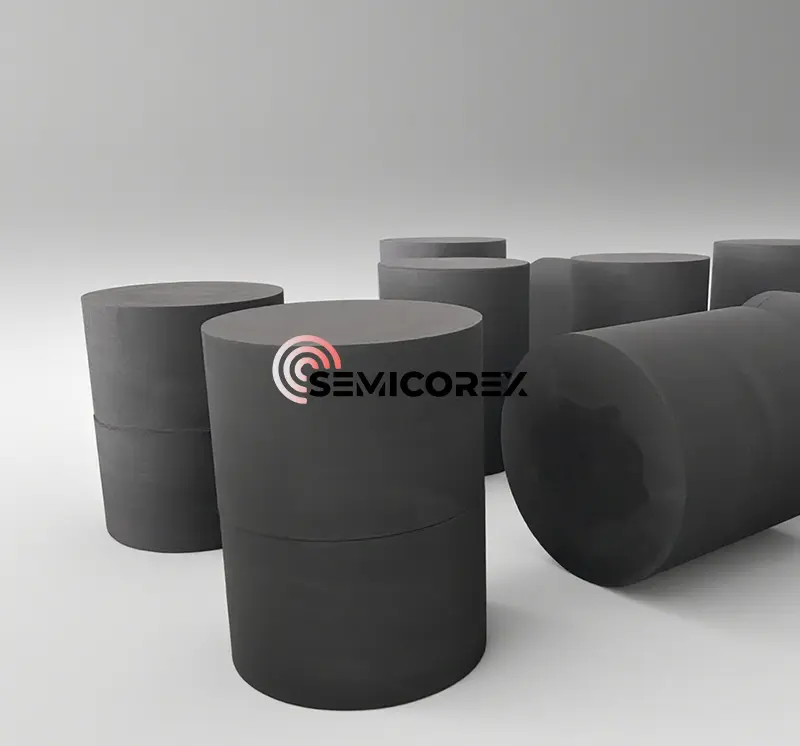
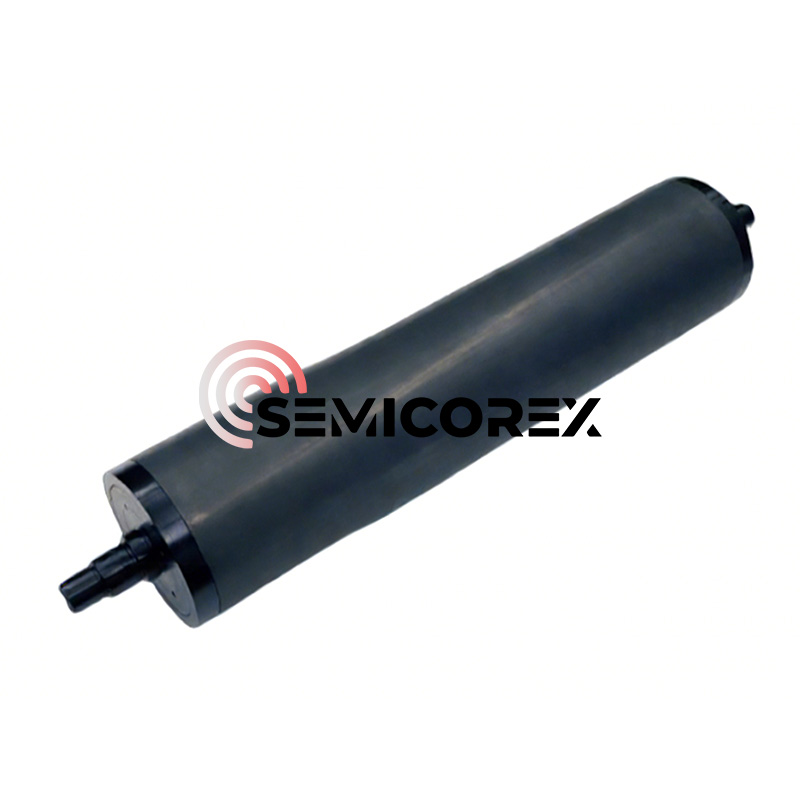
Carbon/graphite material molding essentially involves increasing the density of the powder mixture and ensuring close contact between the aggregate and binder to produce a green body with a desired size, morphology, and minimal machining allowance. The four main molding methods are extrusion, compression molding, vibration molding, and isostatic pressing. Common carbon/graphite materials on the market (for example, charcoal used for household fires) are mostly formed using hot extrusion and compression molding (cold or hot). Isostatic pressing offers superior molding performance.
The principle of isostatic pressing is based on Pascal's law: pressure applied to a medium (liquid or gas) in a sealed container is uniformly distributed in all directions, with the pressure on the surface being proportional to the surface area. Isostatic pressing involves placing a sample, enclosed in a sealed container, within a high-pressure cylinder. Leveraging the incompressible nature of the liquid medium and its ability to uniformly transmit pressure, the sample is uniformly pressed from all directions. When the fluid is injected into the cylinder, the pressure is evenly transmitted in all directions according to the principles of fluid mechanics. The sample in the cylinder is then subjected to uniform pressure in all directions.
Due to the isostatic pressing method, isostatically pressed graphite exhibits excellent isotropy, with properties independent of shape, size, or sampling direction. The material possesses a dense microstructure, high mechanical strength, high surface hardness, and oxidation resistance. Strong performance and high-temperature resistance; the material has excellent thermal shock resistance and is less susceptible to cracking under rapid cooling and heating conditions.
1. Isotropy
Different molding methods result in different properties in different directions. This is primarily reflected in resistivity, thermal conductivity, mechanical properties, and thermal expansion coefficient. The general measurement method is to sample the product perpendicular to and horizontally from the pressure surface, measure the properties separately, and then divide the smallest value by the largest value to obtain the isotropy ratio.
Traditional carbon/graphite products exhibit significant anisotropy, i.e., the properties of the product are different in the directions perpendicular to and horizontal to the pressure surface. The corresponding difference in performance is generally greater than 1:1.1, hence the term anisotropy. In many cases, this difference is fully exploited, and the greater the difference, the better. Examples include graphite electrodes for steelmaking and brushes for motors. Many applications, such as EDM and single-crystal silicon thermal field applications, increasingly require carbon/graphite products to exhibit isotropy (with an orientation ratio within the 1:1.05 range).
2. Large Dimensions
The market is increasingly demanding larger product sizes. For example, single-crystal silicon products have grown from 6- and 8-inch sizes to 12-inch sizes. The size of graphite materials used in thermal fields is also increasing. This is also increasing. Similar trends are seen in other related industries. Graphite for EDM, continuous casting, and nuclear reactors also requires large-scale products. This is difficult to achieve using molding and extrusion methods. The primary problem with large-scale product production is calcination cracking, and the larger the product, the higher the chance of calcination cracking.
3. Fine Structure
As a structural material, it requires high physical and chemical properties. On the one hand, the finer the particle size of the carbon particles that make up the carbon/graphite material, the denser its texture and the higher its mechanical strength.
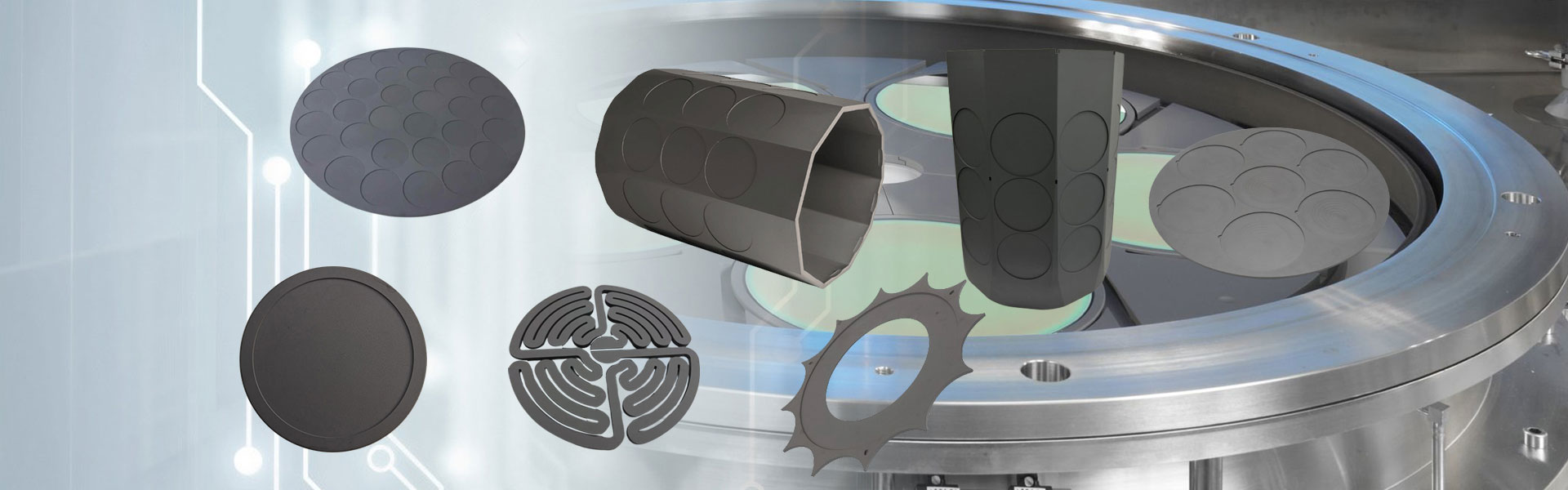
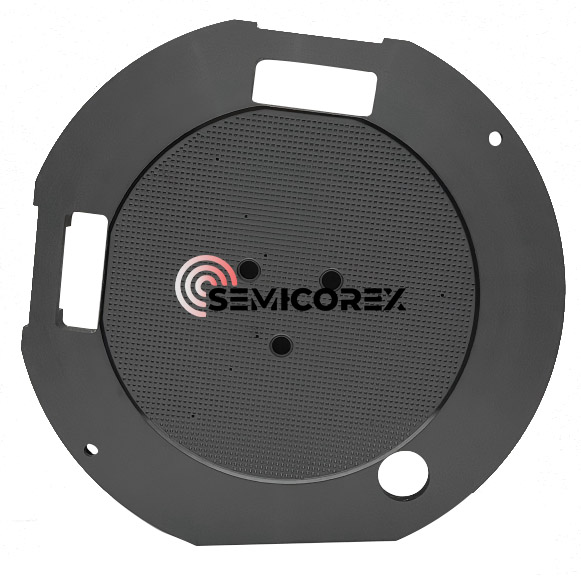
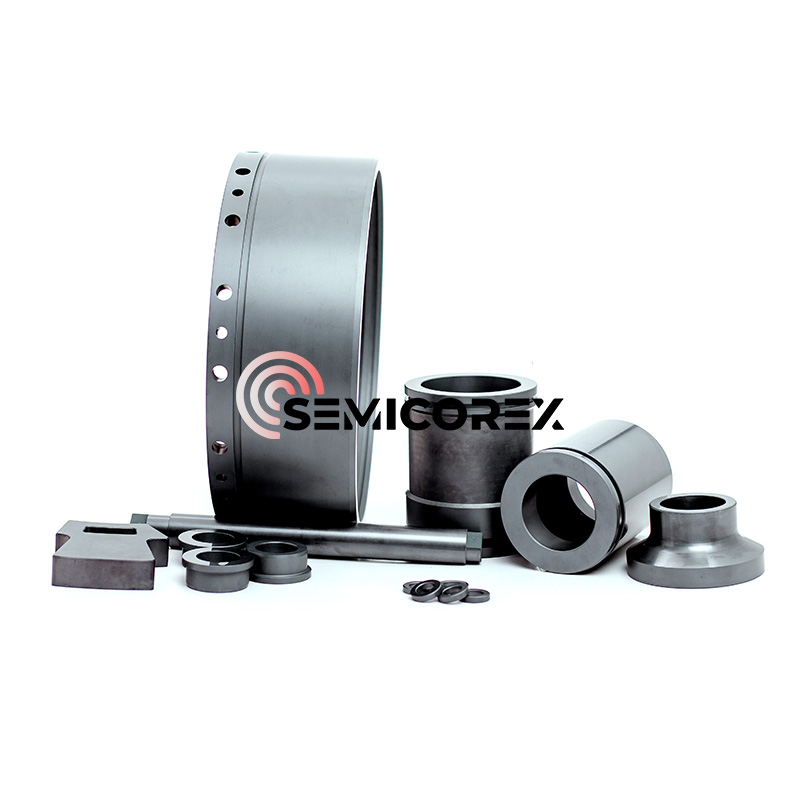
Isostatically pressed graphite is widely used in semiconductor manufacturing processes. It is used in graphite components for the hot zone of single crystal growth furnaces, such as crucibles, heaters, flow guides, and insulation covers; and in graphite components used in epitaxial processes.

- View as
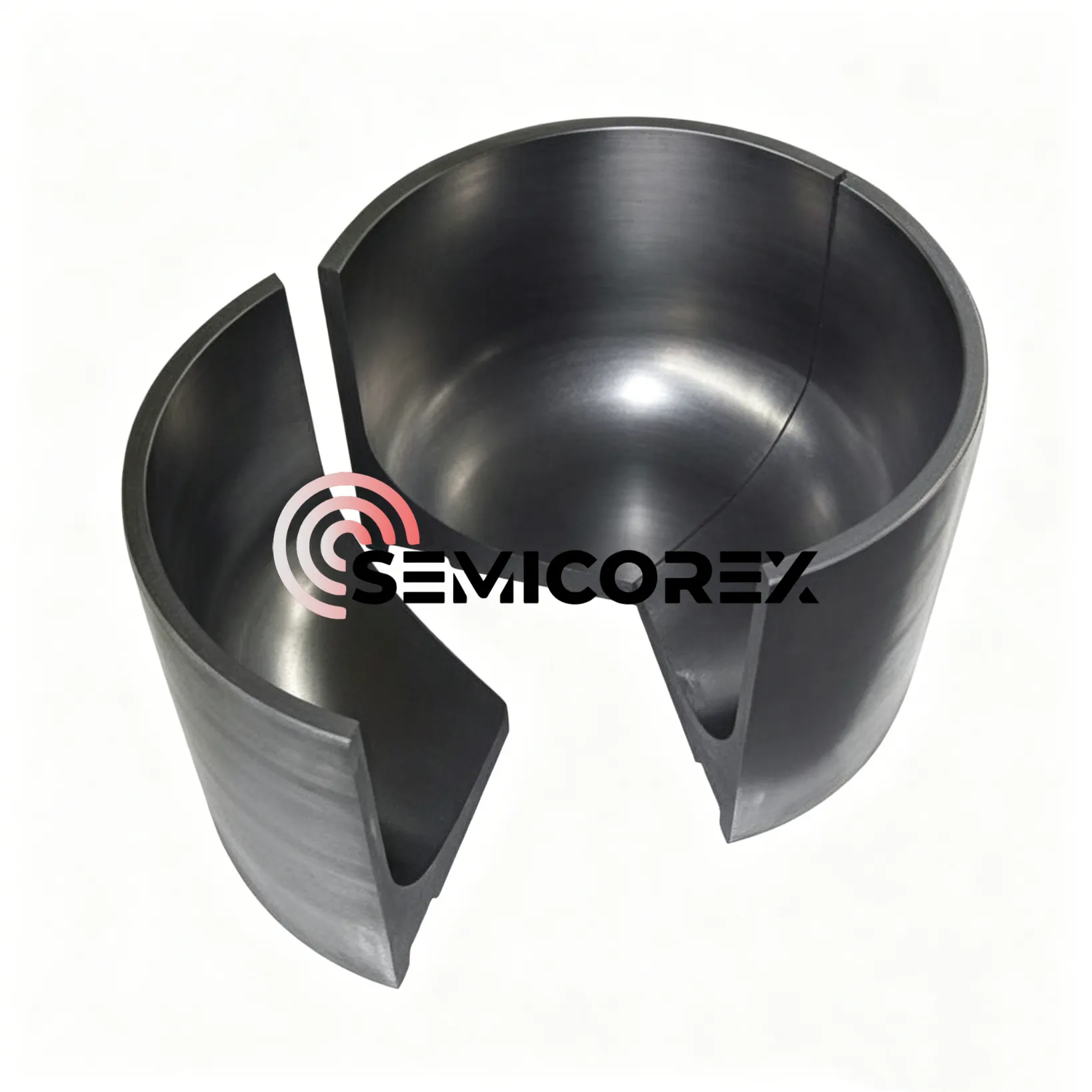
Tridelni grafitni lončki
Tridelni grafitni lončki Semicorex so visoko zmogljive posode iz razcepljenega grafita, izdelane posebej za postopke rasti monokristalnega silicija. Tridelni grafitni lonček Semicorex, ki je idealen za termično obdelavo polprevodnikov visokega razreda, lahko zanesljivo podpira kremenčev lonček in njegove notranje materiale za doseganje nadzorovane rasti enokristalnih struktur.
Preberi večPošlji povpraševanje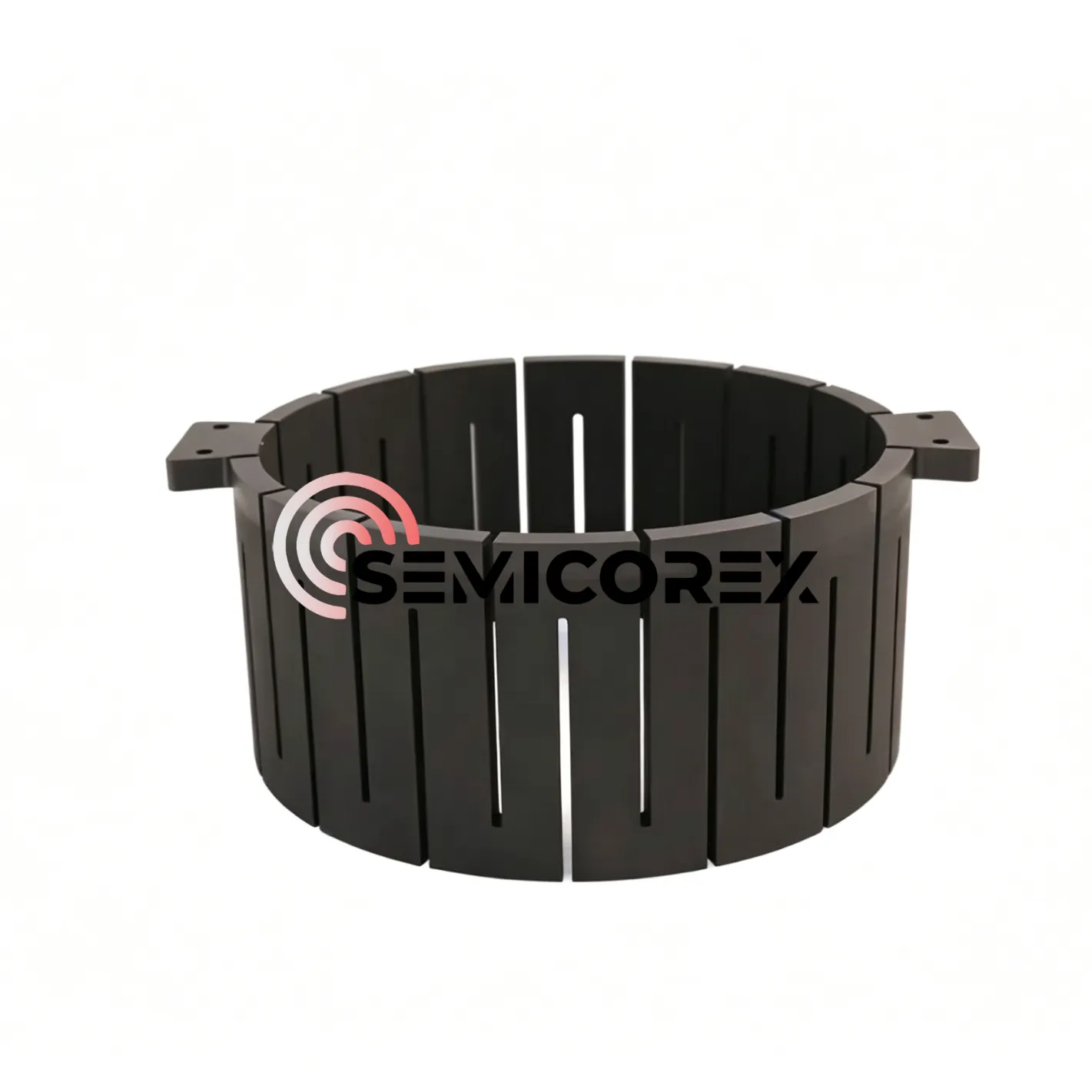
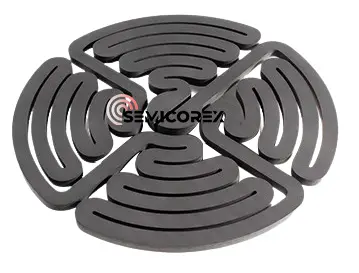
Grafitni grelniki rokavskega tipa
Grafitni grelniki tipa Semicorex, grelni elementi z visokim izkoristkom, ki se pogosto uporabljajo v pečeh za rast monokristalov. Grafitni grelniki tipa Semicorex so ključne grelne komponente, ki se v veliki meri uporabljajo v pečeh za monokristale in so zasnovane posebej za rast visokokakovostnega monokristalnega silicija. Izbira Semicorexa je izbira idealne rešitve ogrevanja.
Preberi večPošlji povpraševanje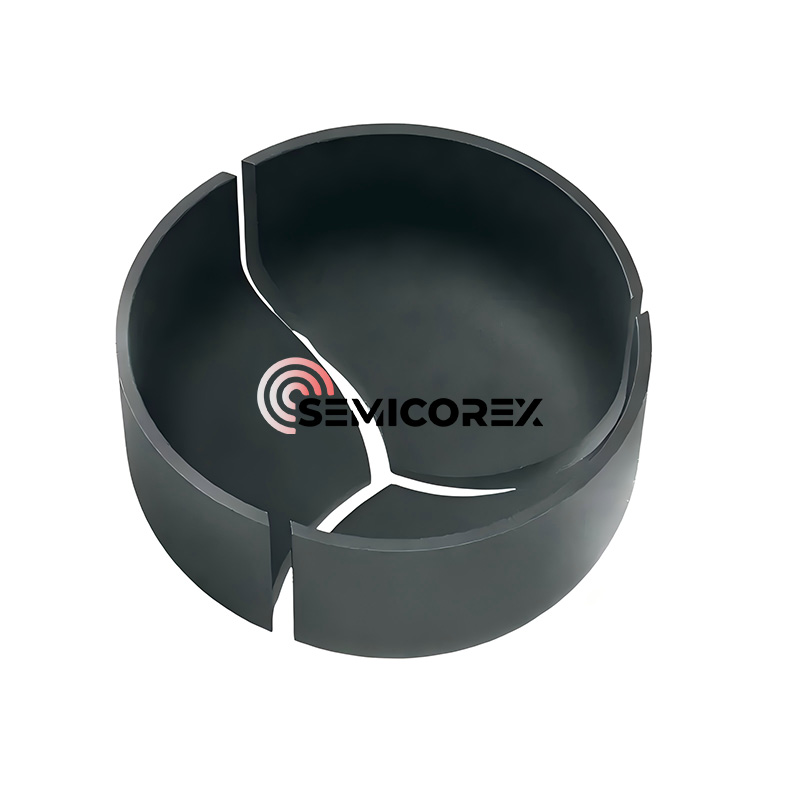
Grafitni lonček s tremi cvetnimi listi
Grafitni lončki Semicorex visoke čistosti s tremi cvetnimi listi imajo inovativno arhitekturo za lajšanje napetosti, zasnovano za maksimiranje donosa rasti kristalov v ekstremnih polprevodniških termičnih okoljih. Semicorex po vsem svetu zagotavlja rešitve za polprevodniške materiale svetovnega razreda, s čimer opolnomoči napredne industrije z natančno izdelanimi grafitnimi in keramičnimi komponentami, ki jih podpira zanesljiva globalna logistika.*
Preberi večPošlji povpraševanje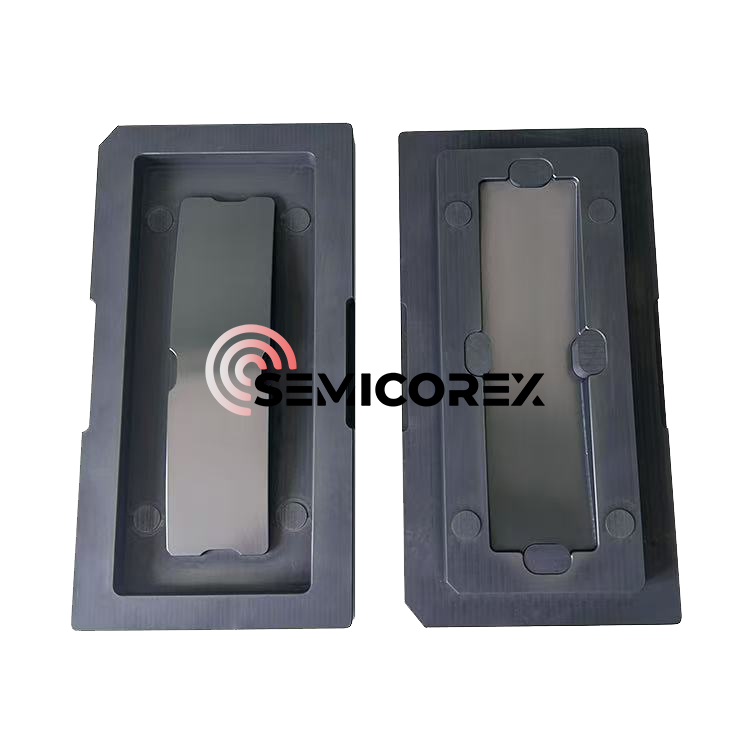
Vroče upognjen stekleni grafitni kalup
Semicorex Hot-bent Glass Graphite Mould je natančno izdelan iz drobnozrnatega grafita visoke čistosti, ki zagotavlja izjemno visokotemperaturno odpornost, stabilnost pri toplotnem šoku, samopodmazovanje in kemično vzdržljivost, kar zagotavlja visokokakovostno 3D ukrivljeno steklo z minimalnimi napakami. Semicorex je izbran zaradi njegovega globokega strokovnega znanja, napredne zasnove kalupov in natančnega nadzora procesa, ki učinkovito povečuje izkoristek in izpolnjuje najzahtevnejše proizvodne zahteve.*
Preberi večPošlji povpraševanje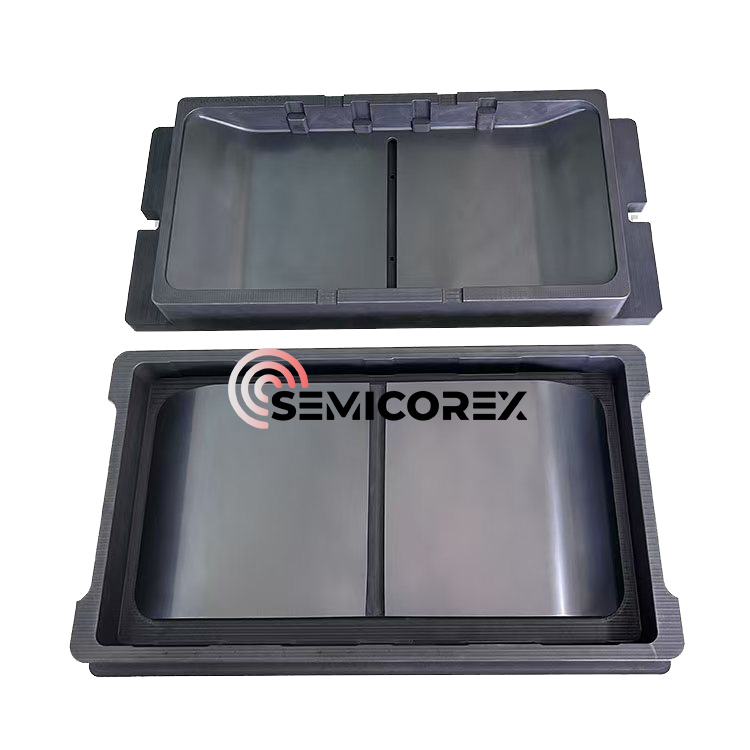
3D vroče upogibni stekleni grafitni kalup
Semicorex 3D Hot Bending Glass Graphite Mould je vrhunski izostatični grafitni kalup, zasnovan za vroče upogibanje 3D ukrivljenega stekla, ki ponuja odlično toplotno stabilnost, toplotno prevodnost, odpornost proti obrabi in koroziji, izboljšuje kakovost steklene površine, podaljšuje življenjsko dobo kalupa in bistveno povečuje proizvodno učinkovitost in donos. Semicorex je izbran zaradi svoje zanesljive kakovosti, dosledne dobave in strokovnega znanja pri zagotavljanju naprednih grafitnih rešitev po vsem svetu.*
Preberi večPošlji povpraševanje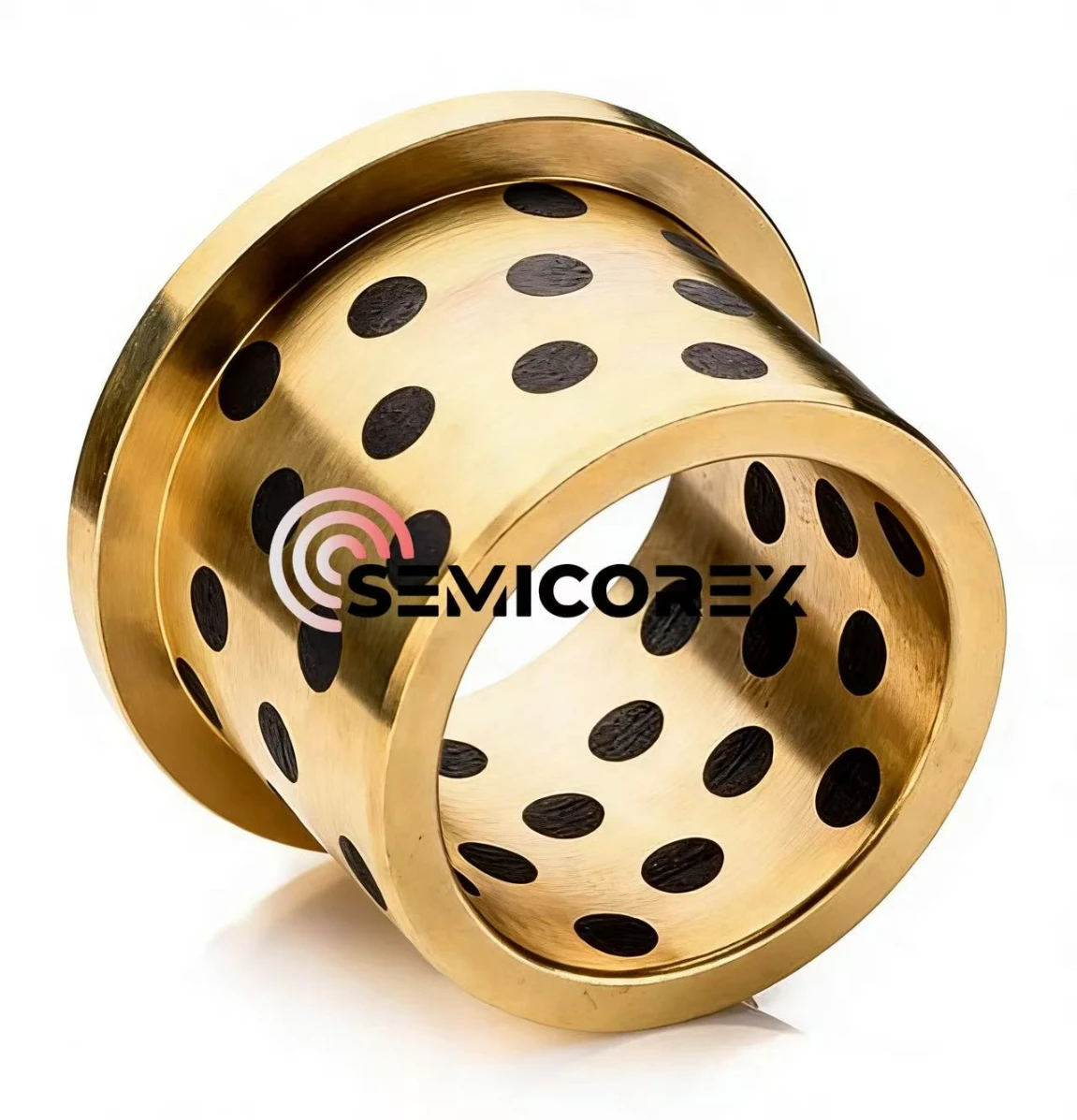
Grafitne samomazalne puše
Grafitne samomazalne puše Semicorex, imenovane tudi puše brez olja, so visoko zmogljive komponente drsnih ležajev, zasnovane posebej za delovanje brez zunanjega mazanja ali dovoda olja. Z odlično zmogljivostjo so grafitne samomazalne puše Semicorex idealne rešitve za opremo, ki deluje v kompleksnih okoljih, vključno z delovanjem brez olja, visokimi temperaturami, visokimi obremenitvami, nizkimi hitrostmi, proti obraščanju, odpornostjo proti koroziji in odpornosti proti sevanju.
Preberi večPošlji povpraševanje
Semicorex že vrsto let proizvaja Izostatični grafit in je eden izmed profesionalnih proizvajalcev in dobaviteljev Izostatični grafit na Kitajskem. Ko kupite naše napredne in trpežne izdelke, ki dobavljajo pakiranje v razsutem stanju, vam zagotavljamo hitro dostavo velike količine. Skozi leta smo strankam zagotavljali prilagojene storitve. Stranke so zadovoljne z našimi izdelki in odlično storitvijo. Iskreno se veselimo, da bomo postali vaš zanesljiv dolgoročni poslovni partner! Dobrodošli pri nakupu izdelkov iz naše tovarne.